
Photograph a cat’s coat, markings, and posture
The clearest cat photo is often the one taken on the cat’s terms. A relaxed moment can show coat details and posture without turning a normal day into a photo session.
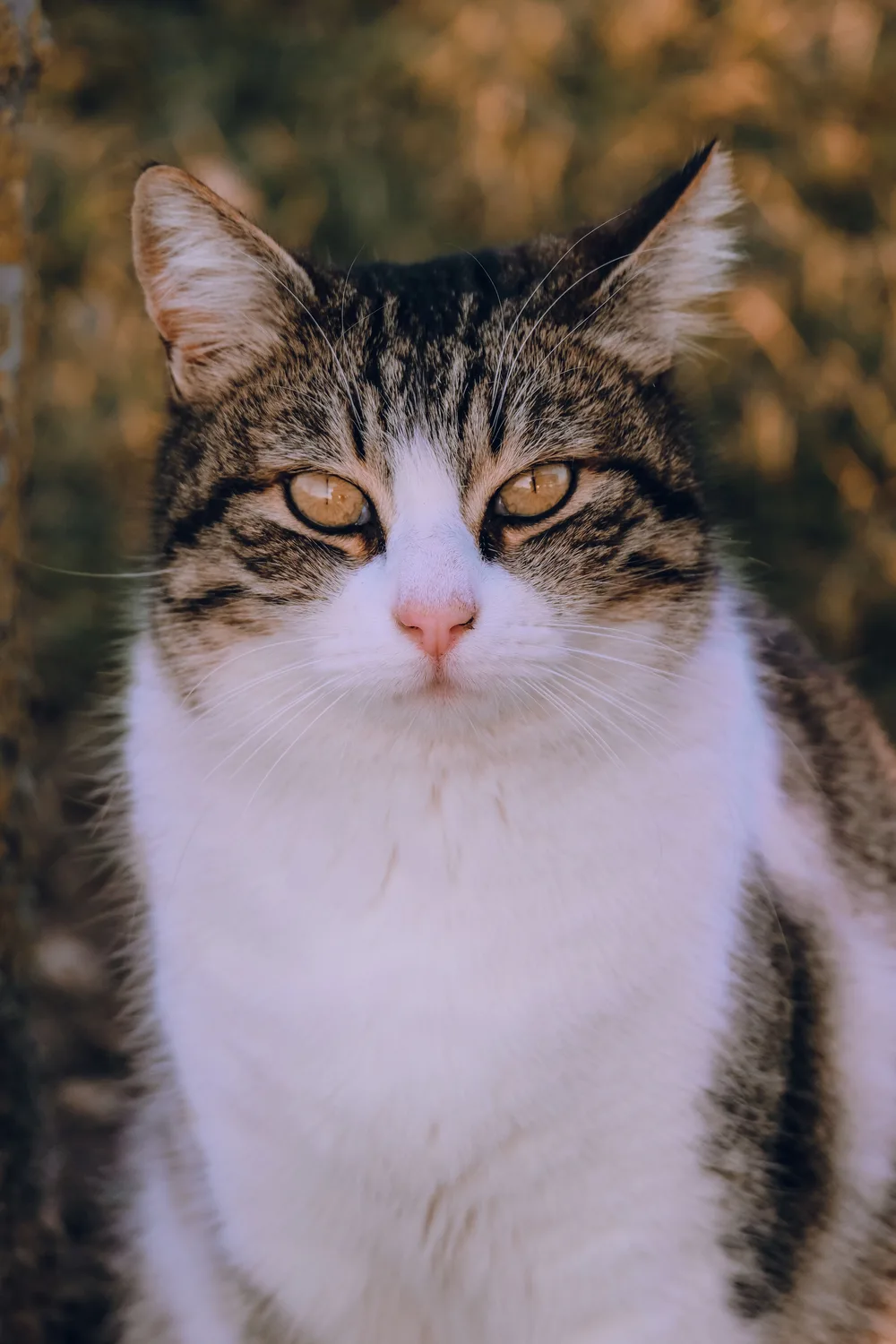
Photograph the moment, not a pose
Use a quiet, familiar room and soft window light when you can. Get down near the cat’s level, give them room, and wait for an ordinary settled moment. A photo from the side can show the body outline and coat length; a second view can make a face pattern or marking easier to see.
Keep the whole cat in frame if you want to notice posture, then move closer only if the cat stays comfortable. Avoid flash, sudden noises, and reaching over the cat to rearrange them. You can try again later if they turn away or leave.
What the frame can show
Describe coat length, visible texture, color patches, and posture in plain terms. Light and angle can change how a coat looks, while ears, tail, and body position can shift from one moment to the next. One image is a small observation, not proof of breed or personality.
The coat-patterns guide turns that plain description into useful breed-clue reading without treating appearance as proof, and the body-language guide reads the same ears, tail and posture cues in context.
Small routines, led by the cat
Make brushing familiar
Choose a brush or comb that suits the coat and start with a few gentle strokes while the cat is relaxed. Let them sniff it first, keep your touch light, and stop before the cat needs to pull away. Regular, comfortable brushing can remove loose fur; the right rhythm varies between cats.
Cornell’s guide to choosing and caring for a cat covers regular brushing and combing. Our gentle brushing guide goes deeper.
Keep play light and familiar
Offer a toy the cat already enjoys and move it away from your hands. Follow the cat’s interest rather than insisting on a game; leave room for them to settle or walk away. A predictable play moment and a quiet resting place can fit naturally into the day.
Cornell’s article on feline behavior and play explains why toys should keep play at a comfortable distance from hands.
Notice changes without guessing
Make everyday care about what your cat accepts: where they like to rest, which brush they tolerate, and what kind of play they return to. A photo or home routine cannot tell you why a cat’s appearance or behavior has changed. For health concerns, ask a veterinarian.
Takeaway: Wait for a familiar pause and let the cat choose where to sit and when to leave — the easiest photo is usually the most informative.
Sources and review
- Cornell Feline Health Center: choosing and caring for your new cat
- Cornell Feline Health Center: feline behavior and play
- Cornell Feline Health Center: gentle grooming and care for older cats
Sources last checked 2026-09-29. Sources support the statements near them; these organisations do not endorse Cat Says Hi.
Spotted an error? Tell us.
Ready to observe a cat?
Explore visible traits and everyday care ideas from a photo. The form explains what is sent, and nothing is sent until you submit.